FitnessThe Movement Code
Muscle: The Hidden Organ of Longevity
Muscle isn't just about strength; it's also key to metabolism, balance, and independence. A science-based movement guide against sarcopenia.
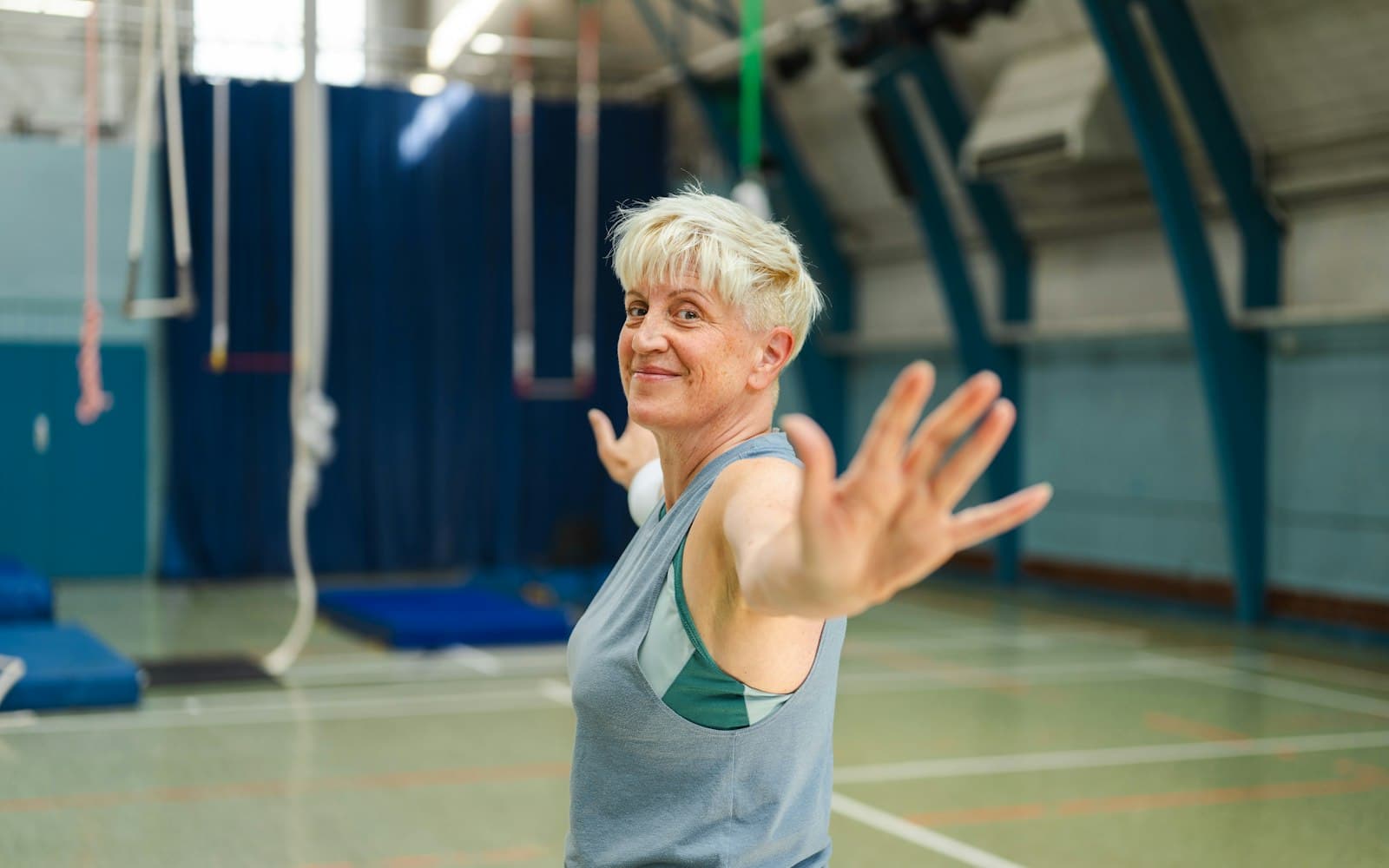
When we think of longevity, the heart, the brain, or our cells usually come to mind. Yet one of the largest organs in our body quietly shapes the destiny of a long life: our muscles.
Sarcopenia: The silent loss
From our thirties onward, if we do nothing, our muscle mass and strength slowly begin to decline. In later life, this loss can accelerate. The marked loss of muscle mass, strength, and function with age is called sarcopenia.
Sarcopenia isn't just "weakness." It increases the risk of falls and fractures, makes independent living harder, and harms metabolic health.
Why does muscle matter so much?
- Metabolism: Muscles use a significant share of the sugar in our blood, which contributes to insulin sensitivity.
- Balance and mobility: Strong legs are the best insurance against falls.
- Independence: Getting up from a chair, climbing stairs, carrying grocery bags… In later life, muscle is the language of independence.
Even grip strength is an important marker: the PURE study, which followed about 140,000 people in 17 countries, showed that low hand grip strength was associated with a higher risk of death and cardiovascular disease. (This is an association; grip strength is considered a mirror of overall muscle health and fitness.)
How much movement?
The World Health Organization's 2020 guidelines recommend the following for adults:
- 150–300 minutes of moderate-intensity or 75–150 minutes of vigorous-intensity aerobic activity per week,
- Strength exercises that work all major muscle groups on at least 2 days a week,
- For those over 65, additional balance training aimed at preventing falls.
The magic of steps
A meta-analysis pooling 15 international cohorts showed that the risk of death decreased as daily step counts increased, with the benefit leveling off at around 6,000–8,000 steps for people over 60 and around 8,000–10,000 steps for younger adults. So the famous 10,000 steps isn't a magic number; but every step counts.
The Movement Code: A starter ritual
- Strength twice a week: Squats (sitting down on and standing up from a chair), wall push-ups, step-ups, resistance band pulls. Consistency matters more than weight.
- A walk every day: Especially short walks after meals.
- Enough protein: Protein is the building block of muscle; work out your needs with a professional based on your age and health.
- Balance games: Small exercises like standing on one foot while brushing your teeth.
As you age, muscle is your most valuable savings account. Start investing in it today.
If you have any chronic condition or have been inactive for a long time, talk to your doctor before starting a new exercise program.
Sources
- World Health Organization. WHO guidelines on physical activity and sedentary behaviour. 2020.
- Cruz-Jentoft AJ, et al. Sarcopenia: revised European consensus on definition and diagnosis. Age and Ageing, 2019.
- Leong DP, et al. Prognostic value of grip strength: findings from the Prospective Urban Rural Epidemiology (PURE) study. The Lancet, 2015.
- Paluch AE, et al. Daily steps and all-cause mortality: a meta-analysis of 15 international cohorts. The Lancet Public Health, 2022.
This article is for general information only and is not a substitute for medical diagnosis, treatment or personal health advice. Talk to your doctor before changing your diet, exercise or supplement habits.
Keep reading
You may also enjoy
FitnessThe Movement Code
Waist Circumference in Menopause: A Signal That Says More Than Your Weight
"My weight hasn't changed, but my body has." Why does fat shift to the waist during menopause, and what does it mean for a long life?
SupplementsBeyond the Hype
Protecting Muscle in the Age of Weight-Loss Shots: Does Urolithin A Really Work?
When we lose weight, we lose muscle too. Why is urolithin A getting so much attention, what does the evidence say, and what are the most powerful ways to protect muscle?

NutritionScience, Simply
Healthy Aging Begins in the Womb: The First 1,000 Days of Life
Longevity isn't only a matter for later life. How do the first 1,000 days, from pregnancy to age two, lay the foundations of lifelong health?