Topic of the MonthThe Well Living Space
Spaces That Create Health: Can Our Homes Help Us Live Longer?
We spend roughly 90 percent of our time indoors. Light, air, sound and nature: how do the spaces we live in shape our health?
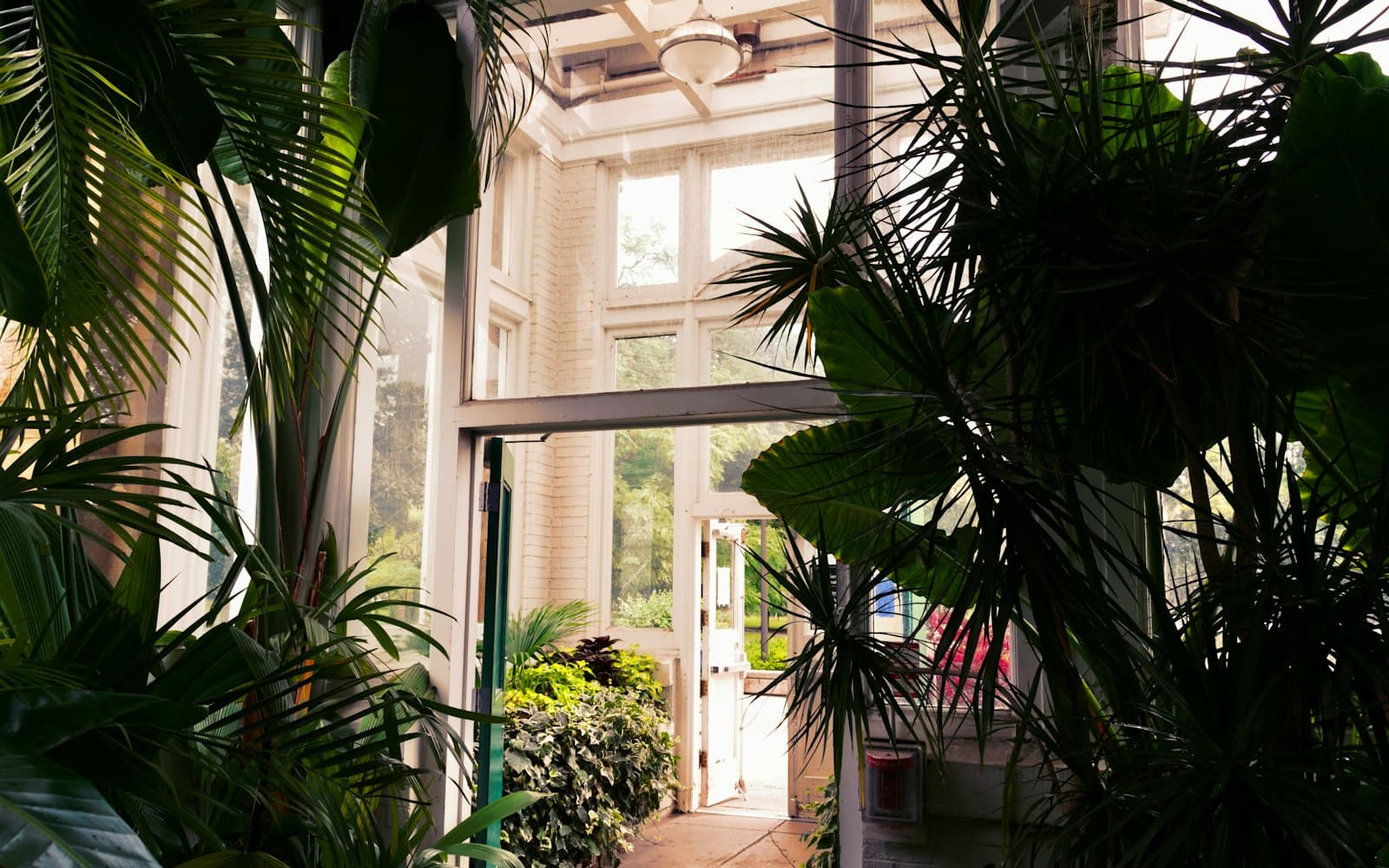
When we think about longevity, our plates, our sleep and our running shoes come to mind first. Yet there is one "environment" where we spend most of our days that often stays invisible: the spaces where we live and work.
A comprehensive time-use survey conducted in the United States showed that people spend roughly 87 percent of their time indoors, and some of the rest inside vehicles. In urban life, the figure is similar in many countries. In other words, our homes, offices, schools and hotels are the silent partners of our health.
Architecture's new question
For many years, architecture aimed to create buildings that were safe, beautiful and functional. Today a new question is being asked: Can a building make the people who live in it a little healthier every day?
In Türkiye, initiatives such as Wells 360, which has brought this approach into the conversation under the name Wellchitecture, aim to bring the science of healthy living together with architectural design. Internationally, certification systems such as WELL and Fitwel evaluate buildings against criteria like light, air, water, sound and movement.
How does a space affect health?
1. Air
According to the U.S. Environmental Protection Agency, indoor concentrations of some pollutants can be much higher than outdoor levels. In an experiment Harvard researchers conducted with office workers, people working in "green" environments with improved ventilation and reduced volatile organic compounds scored markedly higher on decision-making tests.
A small touch: Cross-ventilate briefly a few times a day; use the range hood when cooking; cut back on heavily scented sprays.
2. Light
Daylight is the most powerful regulator of our internal clock. Getting enough light during the day and softening the light in the evening supports both sleep quality and daytime alertness. (See The Morning Light Ritual)
A small touch: Place your desk near a window; in the evening, choose warm-toned, low-level lighting.
3. Nature: Biophilic design
In a classic study published in Science in 1984, patients recovering from surgery whose window looked out on trees stayed in the hospital for a shorter time and needed fewer strong painkillers than patients whose window faced a wall. Since then, "biophilic design," bringing natural elements into the spaces we live in, has become an important theme in architecture.
A small touch: Plants, natural materials, views of nature and natural textures... Even a single potted plant is a beginning.
4. Sound
Constant noise can trigger the stress response and fragment sleep. Acoustic comfort is an overlooked element of health, especially in bedrooms and workspaces.
A small touch: Rugs, curtains and bookshelves soften sound; turn your bedroom into as quiet a sanctuary as you can.
5. Movement
Buildings that make stairways visible and inviting, standing workstations and walkable neighborhoods turn movement from a "chore" into a natural part of the day. Just as in the Blue Zones.
5 questions for turning your home into a longevity space
- Do I get enough natural light during the day?
- How often do I air out my home?
- Is my bedroom dark, cool and quiet?
- Is there a piece of nature wherever my eyes fall?
- Does the layout of my home invite me to move, or to sit?
Sometimes the most effective investment in our health is hidden within the walls we live inside every day.
Sources
- Klepeis NE, et al. The National Human Activity Pattern Survey (NHAPS): a resource for assessing exposure to environmental pollutants. Journal of Exposure Analysis and Environmental Epidemiology, 2001.
- Allen JG, et al. Associations of Cognitive Function Scores with Carbon Dioxide, Ventilation, and Volatile Organic Compound Exposures in Office Workers. Environmental Health Perspectives, 2016.
- Ulrich RS. View through a window may influence recovery from surgery. Science, 1984.
This article is for general information only and is not a substitute for medical diagnosis, treatment or personal health advice. Talk to your doctor before changing your diet, exercise or supplement habits.
Keep reading
You may also enjoy

Topic of the MonthScience, Simply
The 5 Core Concepts of Longevity: Healthspan, Lifespan, Senescence, Mitochondria, and Epigenetics
Five key concepts you need to understand the science of a long, healthy life, explained in simple and slightly magical language.

NutritionScience, Simply
Healthy Aging Begins in the Womb: The First 1,000 Days of Life
Longevity isn't only a matter for later life. How do the first 1,000 days, from pregnancy to age two, lay the foundations of lifelong health?

LifestyleThe Mind Reset
Mental Health: The Invisible Half of Longevity
Health isn't just about the body. How are optimism, emotional balance and psychological support linked to a long and healthy life?