LifestyleWitchy Wisdom
Witchy Wisdom: The Morning Light Ritual
Why is starting the day with light your inner clock's favorite thing? An ancient yet science-backed touch you can practice in five minutes.
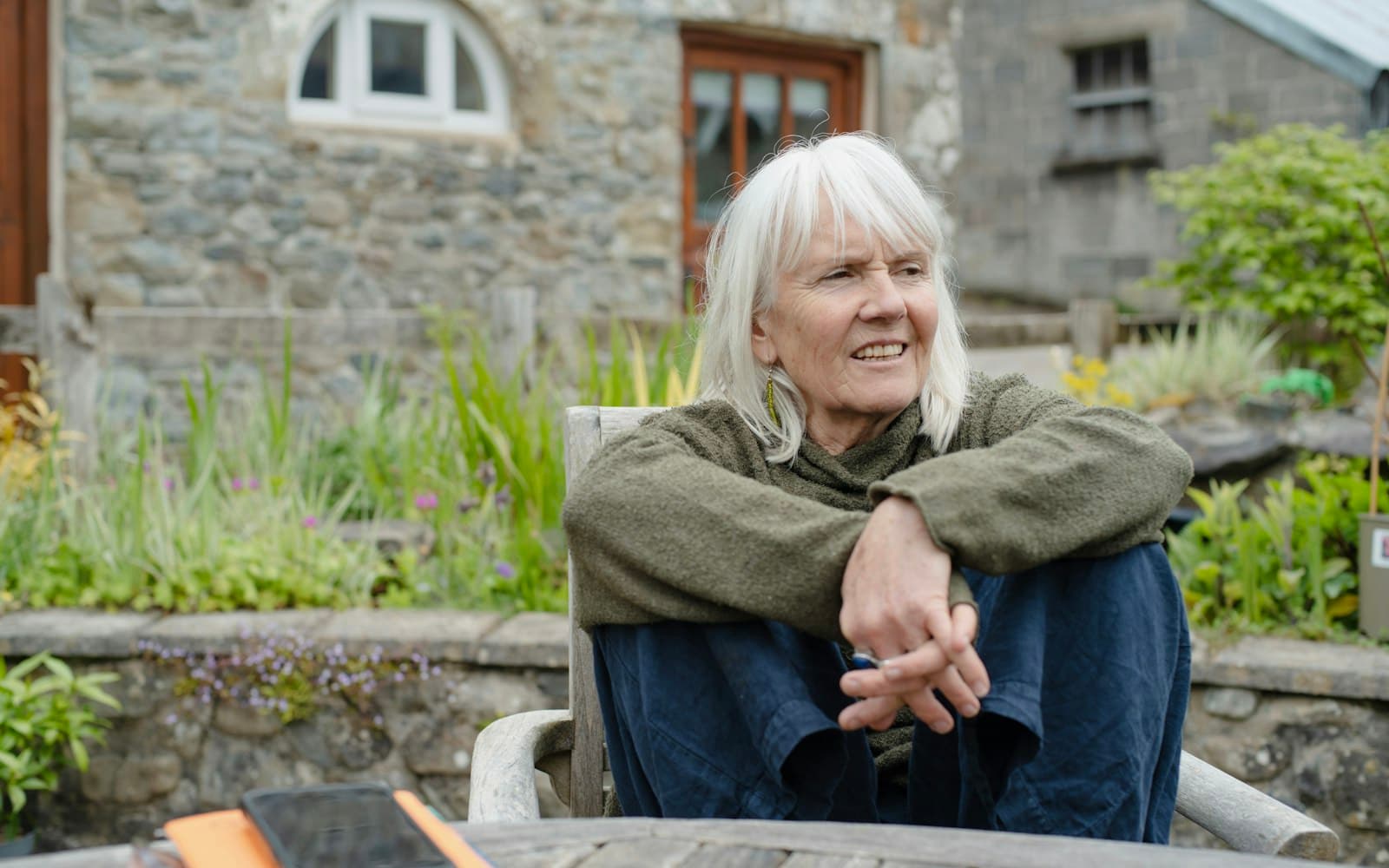
Nearly every ancient culture has had a way of greeting the sun. Today, chronobiology tells us just how wise those rituals really were.
Why morning light?
Our inner clock runs on a cycle of roughly 24 hours, but not exactly 24 hours. The most powerful signal that resets it each day is light. Specialized cells in our eyes pick up bright morning light in particular and pass a "the day has begun" message to the master clock in the brain.
Morning light:
- Helps align your inner clock with the outside world,
- May support a sense of alertness during the day,
- Can make it easier to fall asleep in the evening.
Outdoor daylight, even on a cloudy day, is far brighter than most indoor lighting. That's why sitting by a window is good, but stepping outside is better.
The five-minute ritual
- Within the first hour after waking, head outdoors: a balcony, a garden or a short walk.
- Stay out for 5–15 minutes; a little longer if it's overcast.
- Don't look directly at the sun. Simply being in the open air is enough.
- Pair this moment with an intention: What small touch will you give yourself today?
- Bonus: Drink your coffee or tea outside.
Evening: The reverse light ritual
Just as it matters to open up to light in the morning, it matters to step away from it in the evening. Dimming the lights after sunset, cutting back on screens and using warm-toned lamps all support your inner clock's natural rhythm.
Waking with the sun may be humanity's oldest longevity ritual.
If you have an eye condition or take a medication that causes light sensitivity, talk with your doctor about adapting light rituals to you.
Source
- Blume C, Garbazza C, Spitschan M. Effects of light on human circadian rhythms, sleep and mood. Somnologie, 2019.
This article is for general information only and is not a substitute for medical diagnosis, treatment or personal health advice. Talk to your doctor before changing your diet, exercise or supplement habits.
Keep reading
You may also enjoy
LifestyleThe Sleep Edit
Sleep: The Quiet Magic of Night Repair
Why is sleep a cornerstone of longevity? How much should we sleep, and how do we set our inner clock? Science-based sleep rituals.

LifestyleThe Mind Reset
Mental Health: The Invisible Half of Longevity
Health isn't just about the body. How are optimism, emotional balance and psychological support linked to a long and healthy life?

Lifestyle
Social Connection: The Most Underrated Secret of a Long Life
Why are strong relationships so closely linked to a longer life? The quiet toll of loneliness, and the small rituals of connection.