Social Connection: The Most Underrated Secret of a Long Life
Why are strong relationships so closely linked to a longer life? The quiet toll of loneliness, and the small rituals of connection.
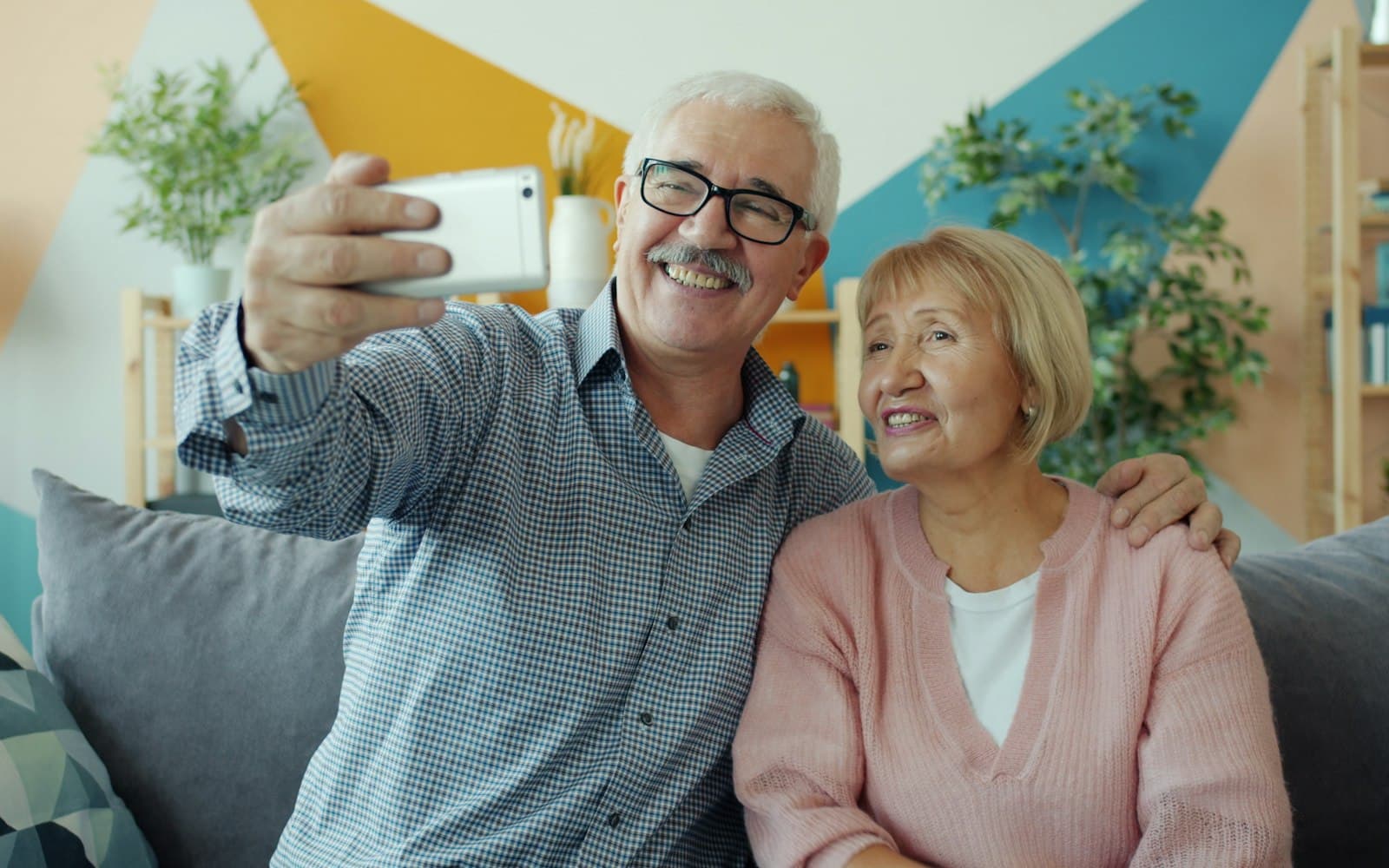
When we think of longevity, plates, sneakers and bedtimes usually come to mind first. Yet one of science's most striking findings comes from a far more human place: each other.
What a meta-analysis tells us
A meta-analysis published in 2010, covering 148 studies and more than 300,000 people in total, found that people with strong social relationships had roughly a 50 percent greater likelihood of survival over the follow-up period. The researchers judged the size of this effect to be comparable to well-known risk factors such as not smoking.
These studies are observational, meaning they can't prove with certainty that social connection on its own is the "cause." Still, it's remarkable that findings from different countries, using different methods, all point in the same direction.
Loneliness: The invisible burden
In 2023, the U.S. Surgeon General issued an advisory defining loneliness as a public health concern. The World Health Organization also treats social connection as a global health priority.
Loneliness and social isolation are associated with a higher risk of cardiovascular disease, depression and cognitive decline. There's an important distinction, too: being alone and feeling lonely are not the same thing. You can feel lonely in a crowd, and a few deep relationships can be powerfully protective.
How might connection affect the body?
Scientists are exploring several possible pathways:
- The stress system: Supportive relationships may soften the chronic stress response.
- Behaviors: The people we love nudge us to see a doctor, eat better and move more.
- Meaning and purpose: Feeling that we matter to others is a powerful reason to get out of bed in the morning.
Small rituals of connection
- A weekly table: A regular, screens-off meal with family or friends.
- One call, one message: Reach out today to someone you haven't spoken to in a long time.
- Build your own "moai": Like in Okinawa, a small circle of support that meets regularly.
- Volunteering: Touching someone else's life adds meaning to our own.
- Moving together: Walking groups, dance classes, community gardens; two touches in one.
The most beautiful part of a long life is having people to share it with.
Sources
- Holt-Lunstad J, Smith TB, Layton JB. Social relationships and mortality risk: a meta-analytic review. PLoS Medicine, 2010.
- Office of the U.S. Surgeon General. Our Epidemic of Loneliness and Isolation. 2023.
This article is for general information only and is not a substitute for medical diagnosis, treatment or personal health advice. Talk to your doctor before changing your diet, exercise or supplement habits.
Keep reading
You may also enjoy

LifestyleThe Mind Reset
Mental Health: The Invisible Half of Longevity
Health isn't just about the body. How are optimism, emotional balance and psychological support linked to a long and healthy life?

LifestyleThe Sleep Edit
Sleep: The Quiet Magic of Night Repair
Why is sleep a cornerstone of longevity? How much should we sleep, and how do we set our inner clock? Science-based sleep rituals.
LifestyleWitchy Wisdom
Witchy Wisdom: The Morning Light Ritual
Why is starting the day with light your inner clock's favorite thing? An ancient yet science-backed touch you can practice in five minutes.