LifestyleThe Sleep Edit
Sleep: The Quiet Magic of Night Repair
Why is sleep a cornerstone of longevity? How much should we sleep, and how do we set our inner clock? Science-based sleep rituals.
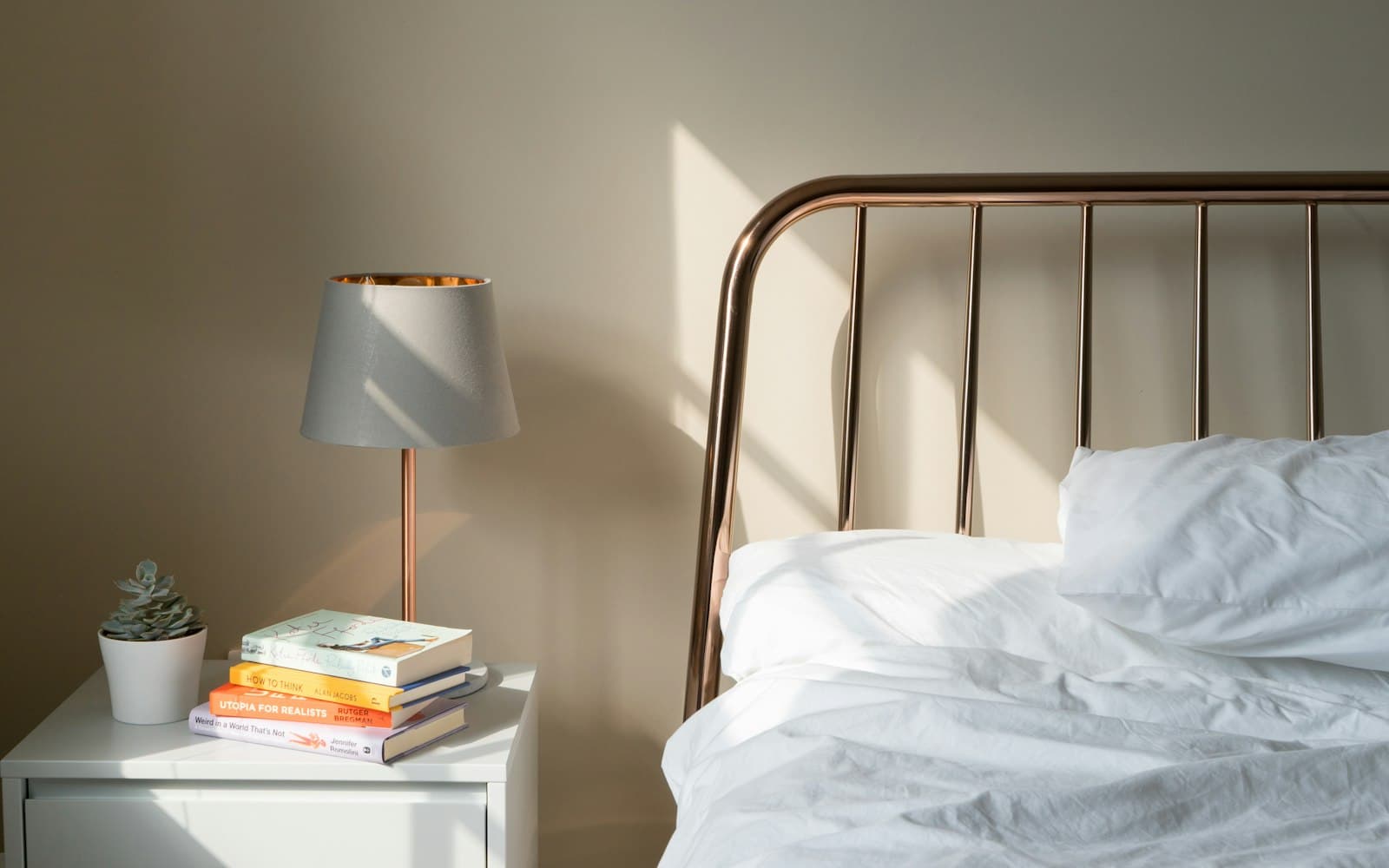
Every night, without our noticing, a quiet repair ceremony begins in our bodies. Muscles recover, hormones rebalance, the immune system renews itself, and the brain clears away the metabolic waste that built up during the day while committing what we've learned to long-term memory.
Sleep may be the oldest of all longevity rituals, and the one that costs nothing.
How much should we sleep?
According to the consensus statement of the American Academy of Sleep Medicine and the Sleep Research Society, adults are advised to sleep at least 7 hours per night on a regular basis to stay healthy. Observational studies show that both short and very long sleep are associated with various health problems; however, very long sleep can often be a sign of an underlying health condition.
Regularity matters as much as duration. Going to bed and waking up at roughly the same times every day is what our inner clock loves most.
Your inner clock: The circadian rhythm
Our bodies have a biological clock that runs on a roughly 24-hour rhythm: the circadian rhythm. It governs many processes, from the sleep-wake cycle to body temperature, from hormone release to digestion.
The most powerful setter of this clock is light:
- Morning light signals to the inner clock that "the day has begun" and makes it easier to fall asleep in the evening.
- Bright light in the evening, especially the intense light from screens, can delay the release of the sleep hormone melatonin.
The evening ritual: The art of preparing for sleep
Dim the lights
An hour or two before bed, lower the lights at home and choose warm-toned lamps. Put screens away as early as you can.
Turn your room into a sanctuary
A cool, dark, quiet room is sleep's best friend. Blackout curtains, an eye mask, or earplugs are small but effective touches.
Time your caffeine and alcohol
The effects of caffeine can last for hours; for many people, cutting off coffee in the afternoon makes a difference. Alcohol may seem to help you fall asleep, but it can fragment sleep in the second half of the night.
Empty your mind
Writing down what's on your mind in a notebook before bed, a few minutes of slow breathing, or a short stretching routine sends your mind the message that "the day is done."
When should a sleep problem be taken seriously?
Persistent snoring, pauses in breathing during sleep, excessive daytime sleepiness, or insomnia lasting for weeks can be signs of treatable conditions such as sleep apnea or chronic insomnia. Talking to a doctor about these symptoms may be one of the most valuable longevity investments you can make.
Going to bed early tonight may be the most elegant gift you can give yourself tomorrow morning.
Sources
- Watson NF, et al. Recommended Amount of Sleep for a Healthy Adult: A Joint Consensus Statement of the American Academy of Sleep Medicine and Sleep Research Society. Sleep, 2015.
- Blume C, Garbazza C, Spitschan M. Effects of light on human circadian rhythms, sleep and mood. Somnologie, 2019.
This article is for general information only and is not a substitute for medical diagnosis, treatment or personal health advice. Talk to your doctor before changing your diet, exercise or supplement habits.
Keep reading
You may also enjoy

LifestyleWitchy Wisdom
Witchy Wisdom: The Morning Light Ritual
Why is starting the day with light your inner clock's favorite thing? An ancient yet science-backed touch you can practice in five minutes.

LifestyleThe Mind Reset
Mental Health: The Invisible Half of Longevity
Health isn't just about the body. How are optimism, emotional balance and psychological support linked to a long and healthy life?

Lifestyle
Social Connection: The Most Underrated Secret of a Long Life
Why are strong relationships so closely linked to a longer life? The quiet toll of loneliness, and the small rituals of connection.